
Addiction: The Creative Solution
Unfortunately this survival solution creates its own tensions (guilt, shame, cravings, obsession) which themselves need to be addressed - often by repeating and increasing the same solution. The original 'fix' brings its own, new tensions, and coping with them becomes a fixed pattern that you cannot escape.

Fun
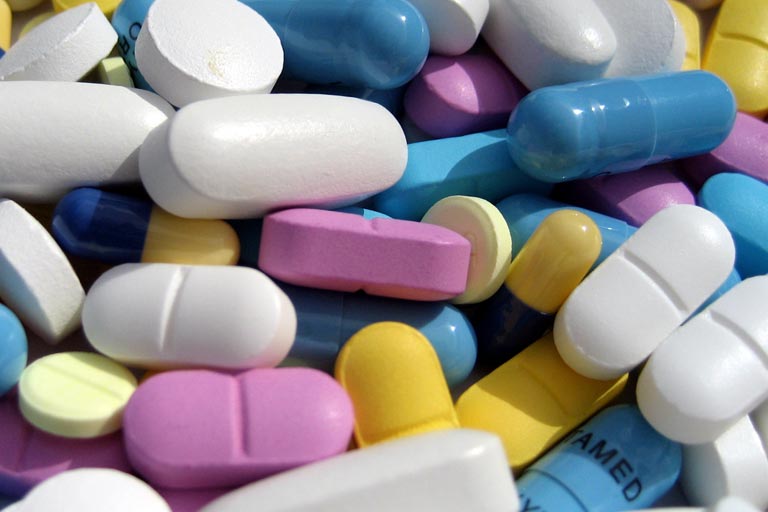
At first drugs are fun; they make you feel good, they help you socialise. Maybe for the first time in your life you feel powerful and in control, because they have released you from difficult emotions. You feel special, different, and you have the illusion of being free. Generally we don’t see addicts at this stage in our offices, as they don’t yet realise the devil they are dealing with. Sometimes though we do have parents or employers contacting us with concerns for someone at this stage of addiction.

Fun & Trouble
At this stage the “survival solution” starts to become less and less effective. You use more and more to make it keep working and there are still fun moments, but you realise that you are relying on an emotional crutch. Other people start to question you about your behaviour, you lie to hide your using, and slowly you start to feel ashamed but still can’t stop. You are in the grip of addiction.
Trouble
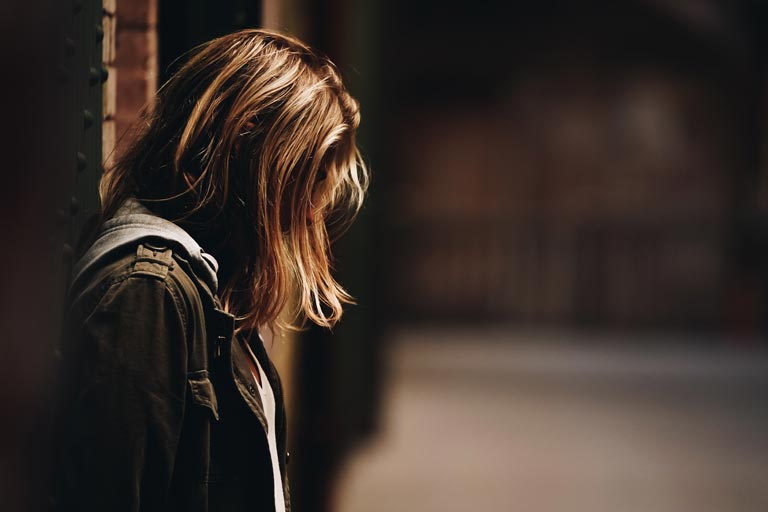
At this stage there is no fun to be found in your addiction any more. You are aware that it is damaging relationships, opportunities, health and finances; the tragedy is that you can see your own drama but can't stop acting it out. You feel totally, utterly powerless with regards to your addiction and you are caught in a vicious circle.
Cross-Addiction
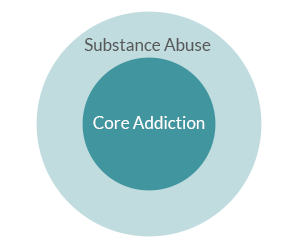
Core Addiction: Addictive processes based around real needs; eating, sex, relationships